- English
- Español
- Português
- русский
- Français
- 日本語
- Deutsch
- tiếng Việt
- Italiano
- Nederlands
- ภาษาไทย
- Polski
- 한국어
- Svenska
- magyar
- Malay
- বাংলা ভাষার
- Dansk
- Suomi
- हिन्दी
- Pilipino
- Türkçe
- Gaeilge
- العربية
- Indonesia
- Norsk
- تمل
- český
- ελληνικά
- український
- Javanese
- فارسی
- தமிழ்
- తెలుగు
- नेपाली
- Burmese
- български
- ລາວ
- Latine
- Қазақша
- Euskal
- Azərbaycan
- Slovenský jazyk
- Македонски
- Lietuvos
- Eesti Keel
- Română
- Slovenski
- मराठी
- Srpski језик

How Oil Drilling Hoses Work in Harsh Drilling Environments
Article Summary
Oil drilling operations require equipment capable of withstanding extreme pressure, abrasive materials, and constant mechanical stress. Among the most critical components are oil drilling hoses, which transport drilling fluids and maintain stable operations in drilling systems. This article explains how oil drilling hoses function, their structural design, common applications, and how to select the right hose for oilfield projects. Understanding these elements helps operators improve safety, extend equipment lifespan, and reduce downtime in demanding drilling environments.
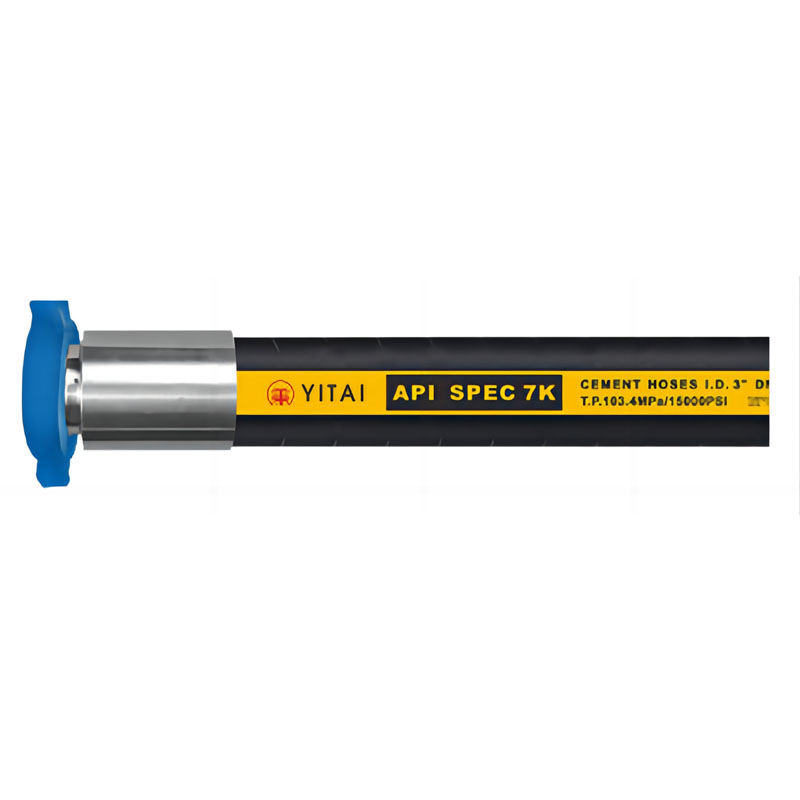
Table of Contents
- Introduction to Oil Drilling Hoses
- How Oil Drilling Hoses Work in Drilling Systems
- Main Components and Structural Design
- Key Applications in Oil and Gas Operations
- Typical Technical Parameters
- How to Choose the Right Oil Drilling Hose
- Common Operational Challenges and Solutions
- Frequently Asked Questions
- Conclusion
Article Outline
- Overview of drilling hose importance
- Functional mechanism within drilling equipment
- Material structure and reinforcement layers
- Application scenarios across oilfields
- Technical specifications and performance parameters
- Selection guidelines for industrial buyers
- Maintenance and safety considerations
Introduction to Oil Drilling Hoses
Oil exploration and extraction rely on a complex network of equipment designed to operate in harsh and unpredictable environments. One essential component within this system is the oil drilling hose. These heavy-duty hoses are designed to transfer drilling fluids, mud, and other materials under extremely high pressure while maintaining flexibility and durability.
In drilling rigs, hoses must tolerate constant vibration, mechanical movement, and exposure to abrasive particles. Without reliable hose systems, drilling operations can face serious safety risks, operational interruptions, and costly maintenance issues.
Manufacturers such as Yitai produce specialized drilling hoses engineered for oilfield conditions, ensuring stable performance even under intense pressure and temperature variations.
How Oil Drilling Hoses Work in Drilling Systems
Oil drilling hoses function as flexible conduits that transport drilling fluids between various components of the drilling rig. These fluids serve multiple purposes: cooling the drill bit, removing cuttings from the wellbore, and stabilizing pressure during drilling operations.
The hose typically connects equipment such as:
- Drilling pumps
- Standpipes
- Rotary drilling equipment
- Top drive systems
During operation, high-pressure drilling mud is pumped through the hose system toward the drill string. The fluid travels down to the drill bit and then circulates back to the surface carrying rock cuttings and debris.
Because of the intense pressures involved, oil drilling hoses are built with reinforced layers that maintain structural integrity while allowing the flexibility necessary for rig movement. This combination of strength and flexibility allows continuous fluid circulation without leakage or rupture.
Main Components and Structural Design
Oil drilling hoses are engineered with multiple layers that work together to provide durability, pressure resistance, and long operational life.
- Inner Tube – Designed to resist drilling fluids, oil, and abrasive materials.
- Reinforcement Layer – High-strength steel wire spirals or braids provide pressure resistance.
- Protective Outer Cover – Protects against abrasion, weather exposure, and mechanical damage.
Each layer plays an important role in ensuring the hose can function under extreme drilling conditions. The reinforcement structure is particularly critical, as it determines the hose’s ability to withstand high pressure and repeated bending.
Key Applications in Oil and Gas Operations
Oil drilling hoses are used throughout various stages of oilfield exploration and production. Their versatility allows them to operate in both onshore and offshore environments.
Common applications include:
- Rotary drilling systems
- Top drive drilling rigs
- High-pressure mud circulation systems
- Offshore drilling platforms
- Oilfield maintenance operations
In each application, the hose must maintain reliable performance while exposed to pressure fluctuations, drilling mud chemicals, and mechanical stress.
Typical Technical Parameters
| Parameter | Description |
| Inner Diameter | 2 inches – 5 inches depending on drilling system requirements |
| Working Pressure | 5000 PSI – 15000 PSI |
| Burst Pressure | Up to four times the working pressure |
| Temperature Range | -30°C to +120°C |
| Reinforcement | Multiple layers of high tensile steel wire |
| Outer Layer | Abrasion-resistant synthetic rubber |
How to Choose the Right Oil Drilling Hose
Selecting the correct oil drilling hose is essential for maintaining operational efficiency and preventing equipment failures. Buyers should evaluate several key factors before making a purchasing decision.
Important considerations include:
- Pressure rating – Ensure the hose can withstand maximum drilling pressures.
- Temperature resistance – The hose should operate safely within the expected temperature range.
- Fluid compatibility – Materials must resist oil, drilling mud, and chemical additives.
- Flexibility requirements – The hose should accommodate movement without structural damage.
- Safety certification – Compliance with industry standards ensures reliability.
Working with experienced manufacturers like Yitai helps ensure that the selected hose meets the demanding conditions of oilfield operations.
Common Operational Challenges and Solutions
Oil drilling hoses operate under some of the toughest industrial conditions. As a result, several operational challenges may arise during long-term use.
1. Abrasion Damage
Continuous friction against drilling equipment can wear down the hose cover. Using abrasion-resistant outer layers and protective sleeves helps extend service life.
2. Pressure Surges
Sudden spikes in pressure may lead to hose fatigue. Choosing hoses with higher safety factors reduces the risk of failure.
3. Chemical Exposure
Drilling fluids often contain aggressive additives. Chemical-resistant inner tubes prevent degradation and leakage.
4. Improper Installation
Incorrect hose routing or excessive bending can reduce lifespan. Proper installation practices are essential for maintaining safe operation.
Frequently Asked Questions
1. What is the primary function of oil drilling hoses?
Oil drilling hoses transport drilling fluids between pumps and drilling equipment, enabling efficient circulation during drilling operations.
2. How long do drilling hoses typically last?
Service life depends on pressure levels, operating conditions, and maintenance practices. With proper use and inspection, high-quality hoses can operate reliably for extended periods.
3. Why are reinforced steel layers used in drilling hoses?
Steel reinforcement provides the strength needed to withstand extreme pressures and repeated bending during drilling operations.
4. Can drilling hoses be used offshore?
Yes. Many drilling hoses are designed for offshore platforms and marine drilling environments where corrosion resistance and flexibility are critical.
Conclusion
Oil drilling hoses are vital components in modern drilling systems, enabling safe and efficient transport of drilling fluids under extreme pressure conditions. Their specialized construction allows them to withstand abrasion, temperature fluctuations, and continuous mechanical stress commonly found in oilfield environments.
By selecting high-quality hoses and ensuring proper installation and maintenance, drilling operators can significantly improve operational safety and productivity. Reliable manufacturers such as Yitai provide advanced hose solutions designed specifically for demanding oil drilling applications.
If you are searching for durable and high-performance oil drilling hoses for your project, contact us today to learn more about professional solutions and customized products that can support your drilling operations.