- English
- Español
- Português
- русский
- Français
- 日本語
- Deutsch
- tiếng Việt
- Italiano
- Nederlands
- ภาษาไทย
- Polski
- 한국어
- Svenska
- magyar
- Malay
- বাংলা ভাষার
- Dansk
- Suomi
- हिन्दी
- Pilipino
- Türkçe
- Gaeilge
- العربية
- Indonesia
- Norsk
- تمل
- český
- ελληνικά
- український
- Javanese
- فارسی
- தமிழ்
- తెలుగు
- नेपाली
- Burmese
- български
- ລາວ
- Latine
- Қазақша
- Euskal
- Azərbaycan
- Slovenský jazyk
- Македонски
- Lietuvos
- Eesti Keel
- Română
- Slovenski
- मराठी
- Srpski језик

What Are the Safety Standards for Fracturing Hoses in Hydraulic Fracturing
If you've ever been on a busy fracturing site, you know the pressure is more than just operational—it's physical, relentless, and coursing through every piece of equipment. The moment a high-pressure line fails, it's not just a costly shutdown; it's a severe safety event. That’s why every project manager and engineer I speak to has one core question on their mind: what are the real safety standards that keep a Fracturing Hose from becoming the weakest link? At YITAI, we build our entire philosophy around this single point, ensuring our products don’t just meet standards but define them through relentless engineering and validation.
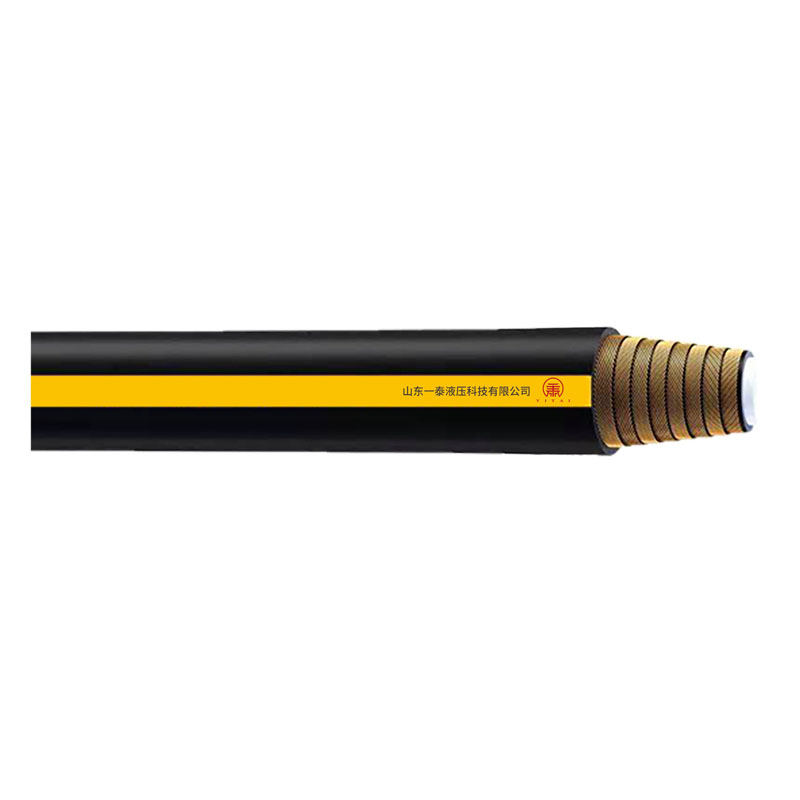
What Defines a Truly Safe Fracturing Hose?
A safe Fracturing Hose isn't defined by a single test but by a holistic culture of design, material science, and real-world validation. It’s the backbone of high-pressure fluid transfer, and its failure is not an option. The standards encompass several critical pillars, each non-negotiable.
Which Pressure Ratings and Construction Materials Are Non-Negotiable?
The core of hose integrity lies in its pressure capacity and material composition. A substandard hose here is a pre-installed hazard. Let’s break down the essential parameters that a premium hose like those from YITAI must guarantee:
-
Working Pressure & Burst Pressure: The hose must consistently operate at the system's peak pressure with a significant safety margin. The burst pressure must be a multiple of the working pressure to contain any unexpected surges.
-
Reinforcement Layer: High-tensile steel wire braiding or spiral winding is mandatory. This layer absorbs the internal forces, preventing expansion and rupture.
-
Inner Tube Material: It must resist abrasion from proppants and chemical degradation from fracturing fluids. Oil-resistant, synthetic rubber compounds are typically required.
-
End Fittings: Forged steel couplings with a secure, pressure-locking crimp are essential to prevent blow-offs, which are a common failure point.
The table below outlines the typical minimum specifications a reliable Fracturing Hose should possess:
| Parameter | Industry Minimum Standard | YITAI Enhanced Standard |
|---|---|---|
| Working Pressure | 10,000 psi | 15,000 psi |
| Burst Pressure Ratio | 4:1 | 4:1 (Minimum) |
| Reinforcement | 2-Wire Braid | 6-Spiral Steel Wire |
| Temperature Range | -40°F to 212°F (-40°C to 100°C) | -50°F to 250°F (-46°C to 121°C) |
| Compliance | API 7K / 16C | API 7K, 16C, plus ISO 14692 |
How Are These Hoses Tested Beyond the Data Sheet?
Certifications are the starting point, not the finish line. Every batch of YITAI hoses undergoes a brutal validation regime that goes far beyond paperwork. We subject them to pressure cycling tests that simulate years of site pulsation in a matter of days. We expose them to extreme temperature swings and conduct impulse testing until failure to understand the true limits. This "test-to-destruct" philosophy is what builds our confidence and, more importantly, your safety. It ensures every Fracturing Hose we ship isn't just a component; it's a certified pressure vessel engineered for the worst-day scenario.
Why Is Proper Selection and Maintenance Your Final Safety Layer?
Even the world's best hose can fail if misapplied or neglected. I often tell our clients that the final safety standard is the one you implement on site. This means:
-
Selecting the correct hose pressure rating for the specific pump and stage.
-
Conducting regular visual inspections for cuts, bulges, or coupling integrity.
-
Ensuring proper routing to avoid sharp bends or abrasion against equipment.
-
Following a strict retirement schedule based on service hours, not just appearance.
Adhering to these operational standards maximizes the lifespan and safety of your equipment. It’s this end-to-end commitment—from our factory validation to your field care—that makes a YITAI Fracturing Hose a trusted asset, not just a consumable.
Are You Ready to Secure Your Operations with Unmatched Reliability?
The standards we've discussed are the blueprint for safety and uptime. At YITAI, we live by this blueprint, engineering every hose to be the most reliable partner on your fracturing crew. We understand the stakes because we're on those sites too. Don’t let hose integrity be a question mark on your next project. Contact us today with your wellbore parameters and pressure requirements. Let our engineering team provide a specification sheet that doesn’t just list standards but proves them. Reach out now for a consultation and see how YITAI can become your standard for safety.