- English
- Español
- Português
- русский
- Français
- 日本語
- Deutsch
- tiếng Việt
- Italiano
- Nederlands
- ภาษาไทย
- Polski
- 한국어
- Svenska
- magyar
- Malay
- বাংলা ভাষার
- Dansk
- Suomi
- हिन्दी
- Pilipino
- Türkçe
- Gaeilge
- العربية
- Indonesia
- Norsk
- تمل
- český
- ελληνικά
- український
- Javanese
- فارسی
- தமிழ்
- తెలుగు
- नेपाली
- Burmese
- български
- ລາວ
- Latine
- Қазақша
- Euskal
- Azərbaycan
- Slovenský jazyk
- Македонски
- Lietuvos
- Eesti Keel
- Română
- Slovenski
- मराठी
- Srpski језик

How Do Hydraulic Hoses Ensure Efficient and Safe Fluid Transfer?
Summary: Hydraulic hoses are a critical component in many industrial and mobile applications. They provide the flexibility and durability needed to transfer hydraulic fluids under high pressure. This article explores how hydraulic hoses function, the materials used, common issues, maintenance practices, and guidance for selecting the right hose for your applications. Understanding these aspects can help reduce downtime, improve safety, and enhance performance in hydraulic systems.
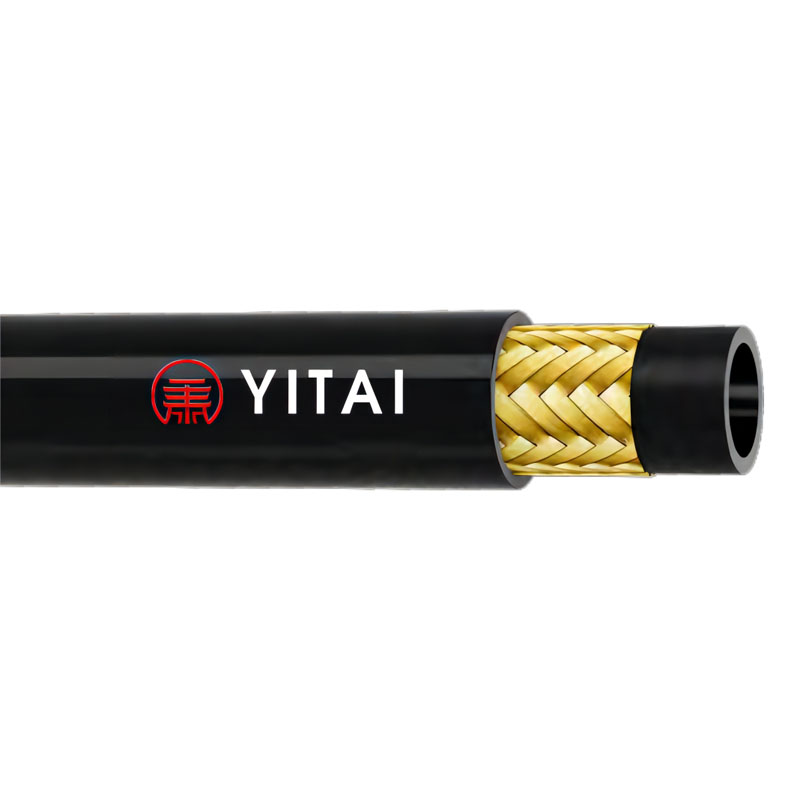
Table of Contents
- What Are Hydraulic Hoses?
- How Hydraulic Hoses Work
- Types of Hydraulic Hoses
- Common Issues and Solutions
- Maintenance Tips
- Choosing the Right Hydraulic Hose
- FAQ
What Are Hydraulic Hoses?
Hydraulic hoses are flexible tubes designed to transport hydraulic fluids between components in a hydraulic system. Unlike rigid pipes, hydraulic hoses provide flexibility and vibration resistance while handling high-pressure fluid flow.
Key applications include:
- Construction machinery
- Agricultural equipment
- Industrial manufacturing
- Material handling systems
Hydraulic hoses are engineered to withstand high pressure, resist abrasion, and endure environmental factors such as temperature changes, chemicals, and UV exposure.
How Hydraulic Hoses Work
The basic function of a hydraulic hose is to transfer fluid between hydraulic components, such as pumps, valves, and cylinders. Hydraulic fluid is typically oil-based and operates under high pressure. The hose must maintain its integrity without leaking or bursting.
The structure of a hydraulic hose usually consists of three layers:
| Layer | Function |
|---|---|
| Inner Tube | Conveys the hydraulic fluid. Made of synthetic rubber compatible with the fluid type. |
| Reinforcement | Provides strength to withstand pressure. Can be made of braided steel, textile fibers, or spiral wire. |
| Outer Cover | Protects against abrasion, weather, and chemical exposure. Typically made of durable synthetic rubber. |
When hydraulic fluid flows through the hose under pressure, the reinforcement layer prevents expansion and bursting. The flexibility of the hose allows the system to absorb vibrations, accommodate movement, and connect components in tight or moving spaces.
Types of Hydraulic Hoses
Hydraulic hoses are categorized by construction and application:
- Wire-Braided Hoses: Suitable for medium to high-pressure systems. Provide flexibility and resistance to kinking.
- Spiral-Wound Hoses: Ideal for extremely high-pressure systems. The spiral design supports pressure while maintaining some flexibility.
- Thermoplastic Hoses: Lightweight and corrosion-resistant. Suitable for low to medium pressure and less abrasive environments.
- Specialty Hoses: Designed for unique applications such as chemical transfer, extreme temperatures, or hydraulic hammer systems.
Common Issues and Solutions
Hydraulic hoses face various operational challenges. Common issues include:
- Leakage: Caused by improper fittings, abrasion, or aging. Solution: Regular inspection and timely replacement.
- Bursting: Due to overpressure or hose deterioration. Solution: Use correct pressure ratings and monitor hose condition.
- Swelling or Softening: Often caused by chemical incompatibility. Solution: Select hoses compatible with fluid type.
- Abrasion Damage: Occurs when hoses rub against surfaces. Solution: Install protective sleeves or reroute hoses.
Maintenance Tips
Proper maintenance of hydraulic hoses can extend service life and prevent system failure:
- Inspect hoses regularly for cracks, wear, and leaks.
- Ensure proper installation with adequate bend radius and correct fittings.
- Keep hoses clean to avoid contamination.
- Replace hoses based on manufacturer-recommended intervals or when signs of wear appear.
- Monitor hydraulic fluid quality and temperature to reduce stress on hoses.
Choosing the Right Hydraulic Hose
Selecting the appropriate hydraulic hose involves considering several factors:
- Pressure Rating: Ensure the hose exceeds the maximum system pressure.
- Temperature Range: Select hoses that can tolerate both high and low operating temperatures.
- Fluid Compatibility: Choose hoses resistant to the specific hydraulic fluid used.
- Length and Flexibility: Allow enough length for movement and vibration without strain.
- Environmental Protection: Consider abrasion, UV, and chemical resistance based on the operating environment.
For professional-grade hoses that meet international standards, Shandong Yitai Hydraulic Technology Co., Ltd. provides a wide range of hydraulic hoses designed to enhance performance and reliability. Their products are engineered for durability, safety, and high efficiency.
FAQ
Q1: How long do hydraulic hoses typically last?
A1: Lifespan varies depending on usage, pressure, and environment, but most hydraulic hoses last 3–5 years with proper maintenance.
Q2: Can I bend a hydraulic hose sharply?
A2: Sharp bends can damage hoses and reduce lifespan. Always follow the minimum bend radius specified by the manufacturer.
Q3: What should I do if I see a leak in a hydraulic hose?
A3: Stop the system immediately and replace the hose. Leaks can cause safety hazards and reduce system performance.
Q4: Are all hydraulic hoses compatible with all fluids?
A4: No. Always check fluid compatibility with the hose material to prevent swelling, cracking, or failure.
Hydraulic hoses are vital for efficient and safe operation of hydraulic systems. Choosing the right hose, proper installation, and regular maintenance are key to preventing downtime and costly repairs. Shandong Yitai Hydraulic Technology Co., Ltd. offers a comprehensive range of high-quality hydraulic hoses to meet diverse industrial needs. Contact us today to find the perfect solution for your hydraulic system.