Abstract
Oil drilling operations depend heavily on stable electrical and hydraulic systems working in extreme environments such as high pressure, high temperature, and corrosive underground conditions.
An “oil drilling short circuit” refers to an unexpected electrical failure that occurs when current deviates from its intended path, often triggered by insulation breakdown, fluid contamination, equipment wear, or environmental stress.
This article explains the mechanisms behind short circuit events in oil drilling systems, identifies their root causes, outlines operational risks, and provides practical prevention strategies. It also highlights industrial solutions provided by YITAI, a specialist in hydraulic and drilling system components designed for high-reliability environments.
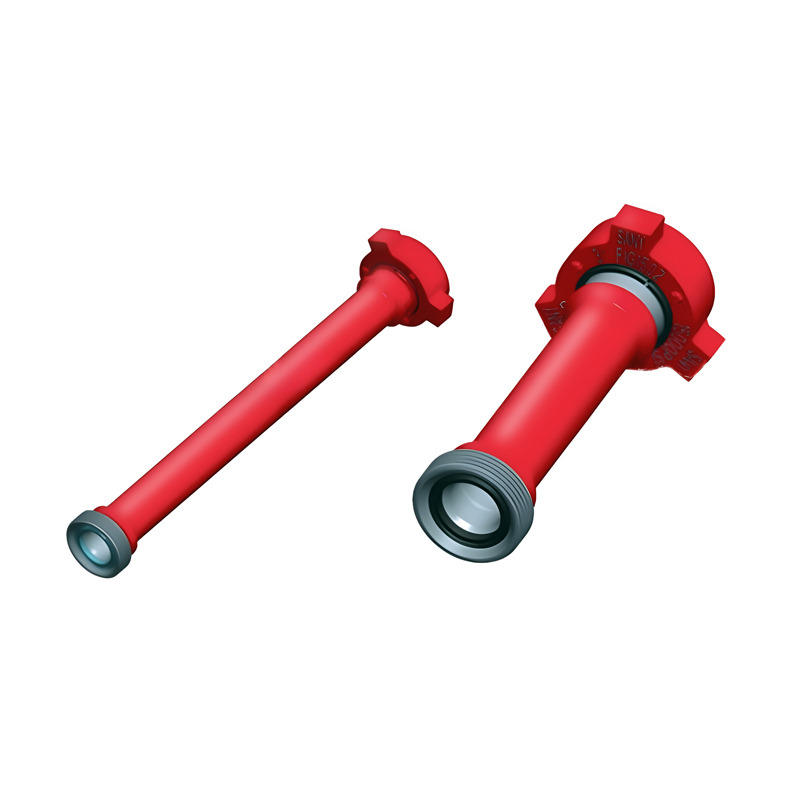
1. Understanding Oil Drilling Short Circuit
In oil drilling systems, electrical circuits power drilling motors, sensors, monitoring systems, and hydraulic control units. A short circuit occurs when electricity bypasses its intended load path due to insulation failure or conductive contamination.
This phenomenon is particularly dangerous in drilling environments because equipment operates under continuous stress from vibration, mud intrusion, pressure fluctuations, and thermal cycling. Even a minor electrical fault can escalate into system shutdowns, equipment damage, or safety hazards.
Understanding this failure mode is essential for engineers and field operators because it directly impacts drilling efficiency, cost control, and operational safety.
2. Root Causes of Electrical Short Circuits
Oil drilling short circuits rarely occur due to a single factor. Instead, they result from a combination of environmental stressors and mechanical degradation.
-
Insulation Degradation: Continuous exposure to heat and pressure weakens cable insulation materials.
-
Fluid Contamination: Drilling mud, oil leaks, or water ingress introduce conductive pathways.
-
Mechanical Wear: Vibration from drilling rigs loosens connectors and damages wiring.
-
Corrosion: Chemical exposure accelerates oxidation in connectors and terminals.
-
Overloading: Excessive current demand leads to overheating and eventual breakdown.
Each of these factors can compromise system integrity, especially in offshore or deep-well drilling operations where maintenance access is limited.
3. Operational Risks and Industry Impact
Short circuit events in oil drilling systems are not isolated technical issues—they carry significant operational and financial consequences.
-
Unplanned Downtime: Equipment shutdowns halt drilling operations, increasing cost per barrel.
-
Equipment Damage: Motors, control systems, and sensors may require full replacement.
-
Safety Hazards: Electrical faults can trigger fires or explosions in volatile environments.
-
Data Loss: Monitoring systems may fail, resulting in incomplete drilling data.
In large-scale drilling projects, even a few hours of downtime can result in substantial financial losses and logistical disruption.
4. Detection and Diagnostic Methods
Early detection is critical for preventing catastrophic failure. Modern drilling systems employ a combination of predictive and real-time monitoring tools.
-
Insulation resistance testing (IR testing)
-
Thermal imaging for hotspot detection
-
Continuous current monitoring systems
-
Vibration and mechanical stress analysis
-
Fluid contamination sensors
Advanced diagnostic systems can identify anomalies before they evolve into full short circuit events, allowing maintenance teams to intervene proactively.
5. Prevention and Engineering Controls
Preventing oil drilling short circuits requires a multi-layered engineering approach combining material selection, system design, and operational discipline.
-
High-grade insulation materials: Resistant to heat, pressure, and chemical exposure.
-
Sealed connectors: Prevent fluid ingress into electrical joints.
-
Redundant circuit design: Ensures backup pathways for critical systems.
-
Regular preventive maintenance: Scheduled inspections reduce unexpected failures.
-
Load balancing systems: Prevent overload conditions in high-demand environments.
Engineering resilience is the foundation of safe and efficient drilling operations.
6. Causes vs Symptoms vs Solutions
|
Cause
|
Symptoms
|
Engineering Solution
|
|
Insulation Breakdown
|
Overheating, intermittent faults
|
Replace with high-temperature resistant cabling
|
|
Fluid Ingress
|
Sudden shutdown, erratic signals
|
Use sealed connectors and waterproof enclosures
|
|
Mechanical Vibration
|
Loose connections, signal instability
|
Vibration-damping mounts and reinforced wiring
|
|
Corrosion
|
Resistance increase, system lag
|
Corrosion-resistant materials and coatings
|
7. Maintenance Best Practices
Consistent maintenance is the most cost-effective strategy for preventing electrical failures in drilling environments.
-
Conduct weekly visual inspections of wiring harnesses
-
Perform monthly insulation resistance tests
-
Monitor fluid quality in hydraulic systems
-
Replace aging components before end-of-life failure
-
Maintain strict cleanliness standards in control rooms
A proactive maintenance culture significantly reduces the probability of catastrophic short circuit events.
8. Industrial Solutions by YITAI
YITAI provides advanced hydraulic hose and industrial system solutions designed specifically for demanding oil drilling environments. Their components are engineered to withstand extreme pressure, temperature variation, and chemical exposure while maintaining electrical and hydraulic stability.
By integrating YITAI systems into drilling operations, companies can significantly reduce the risk of oil drilling short circuits through improved insulation protection, enhanced sealing technologies, and optimized fluid control systems.
-
High-pressure resistant hydraulic hoses
-
Anti-corrosion reinforced materials
-
Precision-engineered sealing systems
-
Durable connectors for harsh environments
With a focus on reliability and long-term performance, YITAI helps operators maintain continuous drilling efficiency while reducing operational risks.
9. Frequently Asked Questions
Q1: What is the most common cause of oil drilling short circuits?
The most common cause is insulation failure due to heat, pressure, and fluid contamination.
Q2: Can short circuits be predicted in advance?
Yes, through insulation testing, thermal imaging, and continuous monitoring systems.
Q3: Are short circuits more common in offshore drilling?
Yes, offshore environments increase exposure to moisture, salt corrosion, and mechanical stress.
Q4: How does maintenance reduce short circuit risks?
Regular inspections and component replacement prevent degradation from reaching failure thresholds.
Conclusion
Oil drilling short circuits represent a critical risk factor in modern extraction operations. Understanding their causes, detecting early warning signs, and implementing structured prevention strategies are essential for maintaining safe and efficient drilling systems.
With robust engineering practices and high-quality components such as those provided by YITAI, operators can significantly reduce downtime, improve system reliability, and enhance overall operational safety.
For professional-grade drilling system solutions and technical support, contact YITAI today — contact us to improve your operational safety and efficiency.